August 14, 2026
Reliable fluid management systems are essential across residential, commercial, municipal, agricultural, and industrial environments. Pumps may move wastewater, distribute clean water, support manufacturing processes, control flooding, or transfer specialized liquids. Regardless of the application, these systems require consistent attention to operate safely and efficiently. A routine pumping service allows developing concerns to be identified before they result in costly breakdowns, environmental problems, or interruptions. By creating a proactive maintenance schedule, organizations can protect equipment, improve efficiency, and maintain dependable operations. Understanding the importance of routine care can help property owners and facility managers make informed decisions that support system reliability and long-term performance.
Understanding the Role of Pumping Systems
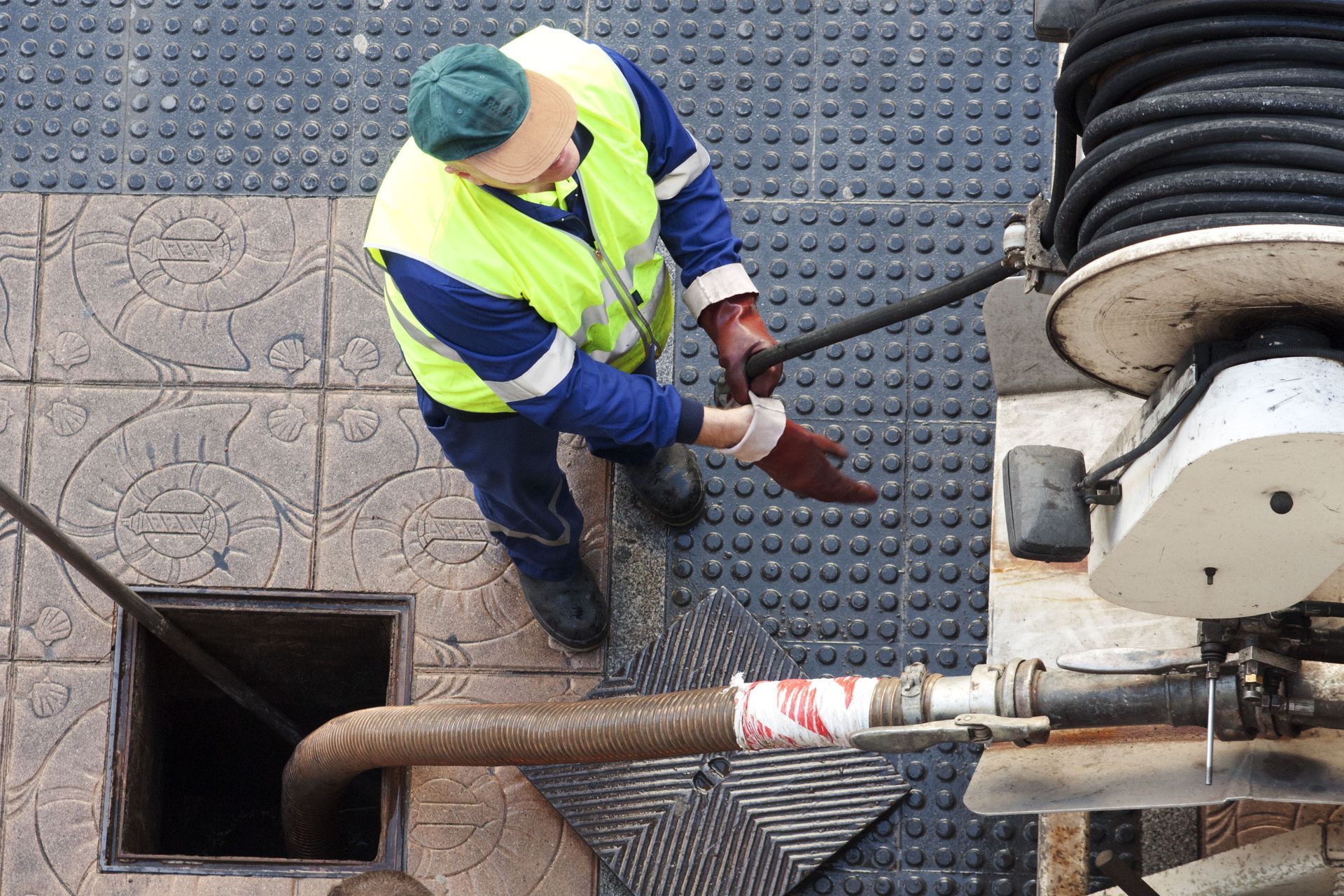
Pumping systems are designed to transport liquids from one location to another while maintaining appropriate flow rates and pressure. Depending on the application, a system may include centrifugal, diaphragm, rotary, submersible, or other specialized pumps. Supporting components such as valves, pipelines, motors, seals, control panels, and monitoring equipment must also work together correctly. A professional pumping service evaluates these interconnected components rather than focusing exclusively on the pump itself, helping technicians identify problems that could affect overall performance.
Applications vary considerably between industries. Municipal facilities use pumps for water distribution and wastewater management, while agricultural operations rely on them for irrigation. Manufacturing facilities may need pumps capable of handling chemicals, oils, slurries, or other specialized substances. Commercial properties also depend on dependable fluid management for plumbing, drainage, and wastewater systems. Each environment creates different operating demands, making proper equipment selection and maintenance essential.
Why Routine Maintenance Improves Efficiency
Efficiency is one of the primary reasons to maintain pumping equipment regularly. Blockages, worn components, damaged seals, improper pressure, and other problems can force equipment to work harder than necessary. Increased workload may raise energy consumption while accelerating mechanical wear. Routine inspections help identify conditions that interfere with normal operation so technicians can make appropriate adjustments before efficiency deteriorates significantly.
Cleaning components, checking lubrication, inspecting seals, evaluating pressure, and confirming proper flow can all contribute to smoother operation. An efficiently maintained system generally requires less energy to accomplish the same task, helping control operating expenses. Consistent maintenance also gives organizations a better understanding of normal system performance, making unusual changes easier to recognize.
Reducing Unexpected Repair Costs
Unexpected equipment failures can create expenses beyond the cost of replacing damaged components. Organizations may experience production delays, property damage, emergency labor charges, lost revenue, or disruptions to customers. Scheduling a pumping service before problems become emergencies gives technicians opportunities to address minor concerns while repairs remain manageable.
Preventive maintenance also makes budgeting more predictable. Instead of waiting for equipment to fail unexpectedly, organizations can establish planned inspection and maintenance intervals. Records from previous visits can reveal recurring problems and help managers anticipate future equipment needs. This information supports better decisions regarding repairs, upgrades, and eventual replacement.
Extending the Life of Equipment
Pumps operate under demanding conditions that may include constant movement, pressure changes, moisture, abrasive materials, chemicals, and extreme temperatures. These factors gradually contribute to wear. Without regular attention, relatively small problems can place additional strain on motors, bearings, seals, valves, and other components.
Routine care reduces unnecessary mechanical stress and helps equipment remain functional for a longer period. Technicians can replace worn components, correct alignment issues, remove obstructions, and identify abnormal operating conditions before extensive damage develops. Extending equipment life allows organizations to maximize existing investments while delaying major capital expenses associated with premature replacement.
Supporting Environmental Protection
Pumping systems frequently manage materials that could create environmental concerns if released unexpectedly. Wastewater, industrial chemicals, oils, and contaminated liquids require careful handling to protect surrounding soil and water resources. Leaks, overflowing systems, or damaged pipelines may lead to contamination and expensive cleanup efforts.
A scheduled pumping service can help detect deteriorating seals, damaged connections, corrosion, and other conditions that increase the likelihood of leaks. Preventive inspections also support compliance with applicable environmental requirements and operating procedures. Maintaining dependable equipment demonstrates responsible resource management while reducing the possibility that a mechanical problem will become a larger environmental incident.
Protecting Health and Workplace Safety
Proper pump maintenance contributes directly to workplace and public safety. Mechanical failures can expose employees to moving equipment, pressurized liquids, hazardous substances, or untreated wastewater. In municipal applications, dependable systems are particularly important because failures can affect sanitation, drainage, and access to essential water resources.
Maintenance personnel should follow established safety procedures when inspecting or servicing equipment. Appropriate training, protective equipment, lockout procedures, and knowledge of system characteristics are essential. Maintaining accurate records also helps technicians understand previous repairs and identify components requiring additional attention.
Using Diagnostics to Detect Problems Early
Modern diagnostic methods provide valuable information about the condition of pumping equipment. Vibration analysis may reveal problems involving bearings, alignment, or rotating components, while thermal imaging can identify unusual heat patterns associated with mechanical or electrical concerns. Pressure readings, flow measurements, and other performance data can provide additional clues about developing issues.
When diagnostics are incorporated into a routine pumping service, maintenance decisions can be based on measurable system conditions rather than assumptions. Technicians can compare current readings with historical information to identify trends and determine whether performance is deteriorating. Early detection often provides more options for scheduling repairs before a complete failure occurs.
Integrating Monitoring Technology
Technology has transformed how many organizations approach pump maintenance. Sensors, automated controls, remote monitoring platforms, and connected equipment can continuously collect information about pressure, temperature, vibration, flow, and operating cycles. Alerts may be generated when measurements fall outside established parameters, allowing personnel to investigate problems quickly.
Predictive monitoring can also help organizations transition from reactive repairs toward condition-based maintenance. Instead of servicing every component according to identical intervals, managers can use performance data to determine where attention is most urgently required. Automation does not eliminate the need for physical inspections, but it provides technicians with additional information that can improve maintenance planning.
Addressing Environmental and Operational Challenges
Pumping equipment can face challenging environmental conditions. Flooding, freezing temperatures, extreme heat, corrosive materials, debris, and heavy workloads can all interfere with operation. Systems installed outdoors or in demanding industrial environments may require additional protective measures to maintain reliability throughout changing conditions.
Regular assessments help identify vulnerabilities before severe weather or increased demand exposes them. Protective enclosures, appropriate insulation, corrosion-resistant materials, backup equipment, and improved drainage may strengthen system resilience. Maintenance plans should reflect the actual environment rather than relying on a generic schedule that overlooks site-specific risks.
Overcoming Resource and Budget Limitations
Organizations sometimes postpone preventive maintenance because of limited budgets, staffing shortages, or difficulties obtaining specialized parts. Although delaying maintenance may reduce immediate expenses, it can increase long-term risk. A neglected component may eventually cause damage that is substantially more expensive to correct than the original maintenance would have been.
Prioritizing equipment according to operational importance can help organizations use available resources effectively. Critical systems should receive particular attention because their failure may create substantial safety, environmental, financial, or operational consequences. Establishing relationships with qualified service providers can also improve access to specialized knowledge and replacement components when they are needed.
A consistent
pumping service ultimately supports more than individual pieces of equipment. It contributes to efficient operations, predictable expenses, workplace safety, environmental responsibility, and stronger infrastructure. By identifying developing problems early and maintaining equipment according to a structured plan, organizations can reduce disruptive failures while extending the useful life of essential systems. Proactive maintenance provides a practical foundation for dependable performance and helps ensure pumping equipment remains prepared for everyday demands and unexpected challenges alike. Contact our team at Midland Pumping Service today and learn more about our pumping services.